
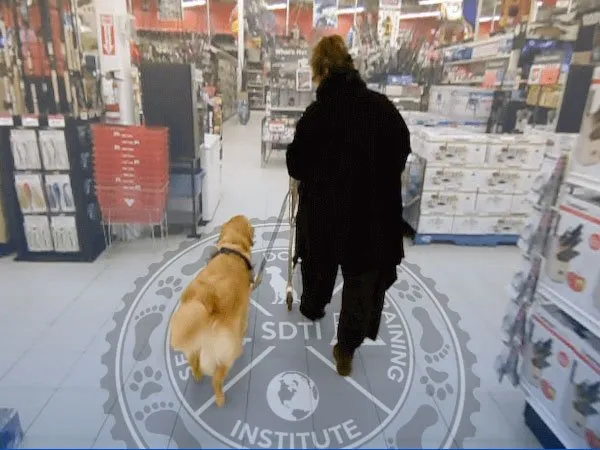
Essential advice for new service dog trainers on navigating client disabilities, communication strategies, task selection, and professional boundaries.

Discover why effective dog training starts with training the human brain—shifting how handlers think, observe, and respond to their dogs.
Coaching owner-trainers is a specialized and deeply meaningful area of dog training. Your clients are navigating disability, public access law, task training, and...

Your client wants to owner-train a service dog. Here's what every trainer needs to know before saying yes — and how to actually help them succeed. 🐾
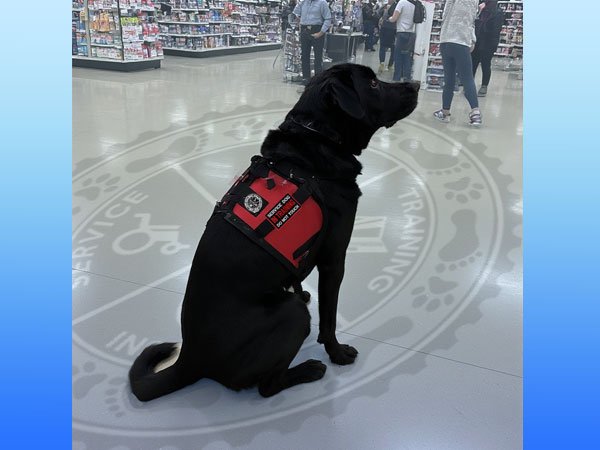
Why trained behaviors fail in new places. Teaching handlers about context dependency, renewal effect, environmental change, and building real-world reliability.
Why eliminated behaviors return. Teaching handlers about spontaneous recovery, resurgence, behavioral contrast, and responding when old behaviors resurface.
Building bulletproof behaviors. Teaching handlers the difference between generalization and proofing, variable training, Three Ds, and the four-layer framework.
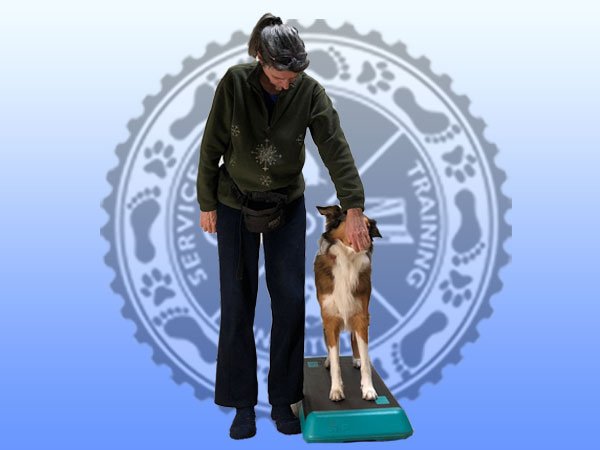
Part 2A Turn theory into practice with strategies that help handlers apply classical conditioning, operant conditioning, and precise timing in real time.🐕
Part 2B equips trainers to coach shaping, errorless learning, and smart reinforcement so handlers build reliable, high-quality service dog behaviours. 🐾
Part 2C teaches trainers to coach generalization, discrimination, memory, attention, and persistence so service dog skills transfer reliably to real life. 🐕🦺

Part 1A Coach handlers to read and manage dog and human emotions, prevent one-trial setbacks, and create calm, positive first experiences that stick. 🐾
Part 1B Work with canine biology: preparedness, counter-conditioning, and early socialization to build confident service dogs.🦮