
SDTI Monthly Newsletter
October 2026 Edition
 Get future newsletters in your RSS reader
The Human Half of the Team: Adapting Service Dog Training for Each Handler

This issue: practical ways training, tasks, and communication can adapt to every kind of disability.
Featured Resource This Month
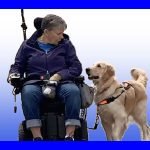
Anxiety Tasks and/or Wheelchair Loose Leash
Access both resources for 2 years.
For October, you get 25% OFF with coupon code:
TASK25

Mini Quiz Challenge
Why is it important for a service dog handler to video and share both good and bad training moments with their trainer?
A.) It shows the trainer how committed the handler is
B) It’s only useful for the handler’s own records
C) It’s required for certification
D) A trainer can only give useful suggestions if they see where the handler is actually struggling
Did You Know?
That a handler’s most useful feedback to a trainer often isn’t “it didn’t work” — it’s a detailed account of exactly what was tried. Small details like treat placement or a handler’s stillness can be the difference between a task clicking or not. That’s why video footage is so helpful.
That TAG Teaching (Teaching with Acoustic Guidance) breaks skills into tiny, precise steps using a simple click-like signal — a technique developed for human learners that mirrors the same shaping process used in clicker training with dogs. It is very useful for helping people with coordination or cognitive deficits.
That for learners with hearing loss, closed captioning on training videos isn’t just an accessibility feature — it also documents marker timing and praise, making it a valuable teaching tool for hearing and non-hearing learners alike. Helps them pinpoint exactly when the darker should be delivered.
Featured Resources
Free Blog Post: How to Get the Most Out of Working With a Service Dog Trainer When You Have a Disability
Training your own service dog is demanding, but a good trainer makes an enormous difference. Learn how being open, setting clear communication preferences, and working as a partner helps you get the most out of every coaching session.
Paid Blog Post: Working With the Handler’s Disability: What New Service Dog Trainers Need to Know
When working with owner-trainers, success isn’t about knowing every disability inside out—it’s about having the humility to ask and the patience to listen. Discover practical strategies for navigating client communication, task selection, and professional boundaries.
Video: The Knotted Leash Challenge
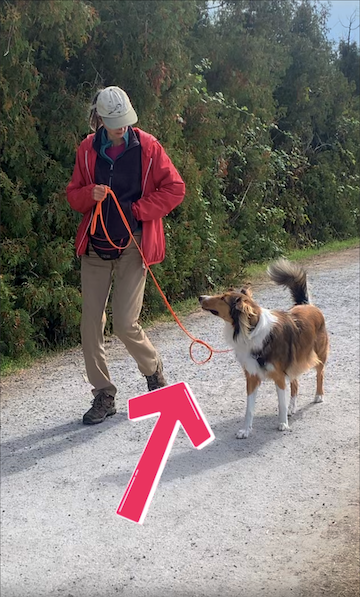
Ideal for people who aren’t aware of the part they play in keeping the leash loose, like those who nag the dog with little tugs or those who jerk the leash without being aware of it.. A simple overhand knot tied in the middle of the leash works well as a visual signal to measure when the leash goes tight. It’s the handler’s job to keep it loose during this challenge.
Playlist of Dog Training Videos

Dogs Explained
Looking for videos on a specific training topic? Our new page, Dogs Explained, sorts our YouTube content by topic — so you can find exactly what you need without digging through the whole channel.
Training Tips
Look for Patterns
Notice how your energy, stress, or fatigue affects your training sessions. A simple daily voice note or journal entry can help you spot what’s really going on and plan sessions around your best times. This is helpful both for yourself and your trainer.
Be Clear About What You Can and Can't Do
Before you start training, think through what you need, what you can do, and where your physical, emotional and social limits are across different settings — home, work, school, and out in public. That picture helps you and your trainer far more than a label alone.
Explore equipment and technology that can do part of the job.
Look beyond standard gear to tools that give your dog new ways to help, like remote feeders, a paw-press button for emergency calls, a switch extender that lets your dog operate a light switch, or a doorbell with an attached light so a hard-of-hearing handler knows when it’s been pressed. Combined with equipment you adapt yourself, like a modified harness or handle, these tools can open up tasks that wouldn’t be possible with a “standard” setup alone.
Events This Month
FREE QA Chat
Topic: Adapting Training for Specific Disabilities
Date: Saturday, October 10, 2026
Time: 1:00 PM PDT (Pacific/Vancouver) | (UTC-7)
Your Local Time: Click here to see this in your time zone
We’ll discuss adapting service dog training for handlers with disabilities like anxiety, hearing loss, mobility limitations, and cognitive conditions. Consider communication adjustments, reading fatigue and stress signals, choosing realistic tasks, adaptive equipment and knowing when to bring in outside support. Bring your questions, share your experiences. Meet the community!
The QA Chat will be recorded and added to the library so if you cannot attend, it will be available. At just CA$11 per month (~US$8.10), it’s a great way to support us. Sign up for a day, get access for the month. Cancel anytime!